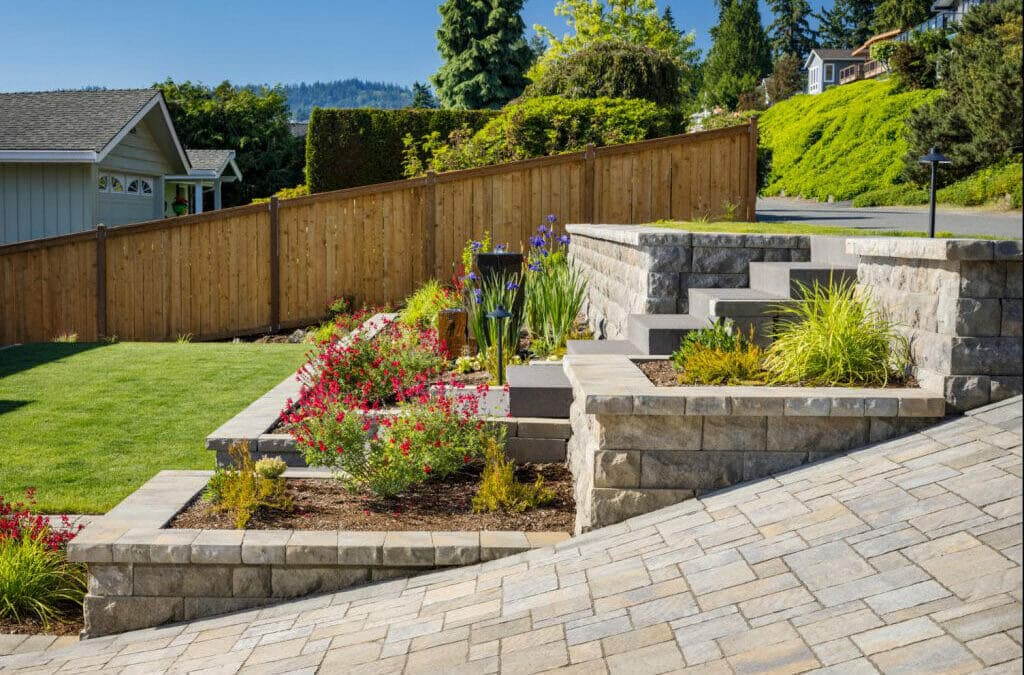
Retaining Walls in Dallas-Fort Worth
Tame a sloped lot, stop erosion, and create usable, level space with walls engineered to carry the load.
Get My Free Estimate
Tell us about your retaining walls project and we will send pricing.
- Licensed & Insured
- Design-Build Firm
- Locally Owned in DFW
Thinking about retaining walls?
A retaining wall does serious structural work, and a wall that fails takes your landscape, and sometimes your foundation, with it. The walls that bulge and lean around DFW almost always share the same flaw: no drainage and no geogrid reinforcement behind them.
- Site evaluation and grade analysis
- Engineered base and footing installation
- Segmental block, boulder, and natural-stone walls
- Geogrid reinforcement for taller walls
- Drainage gravel, filter fabric, and drain tile
- Caps, steps, and integrated seat walls
See the work
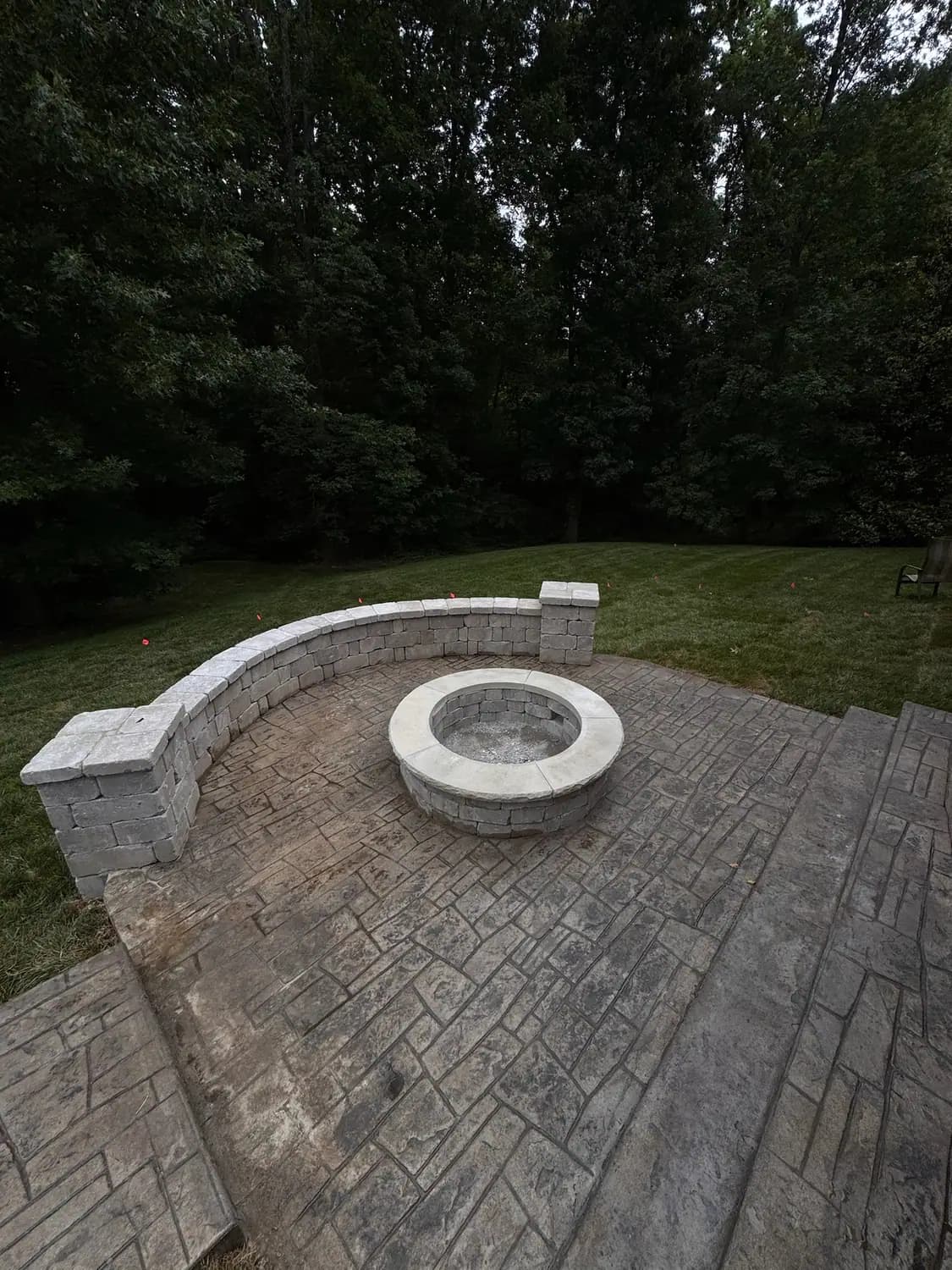
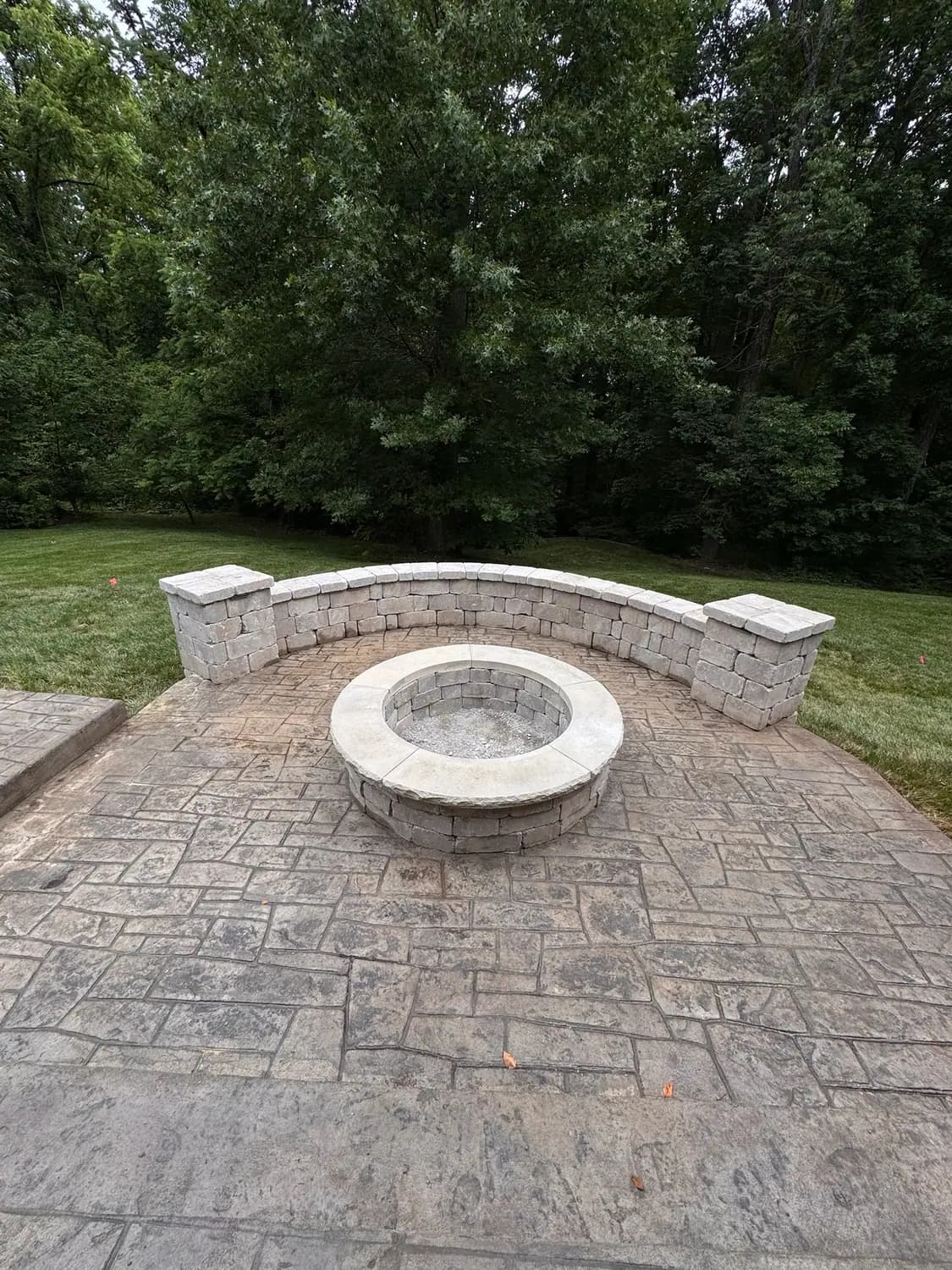
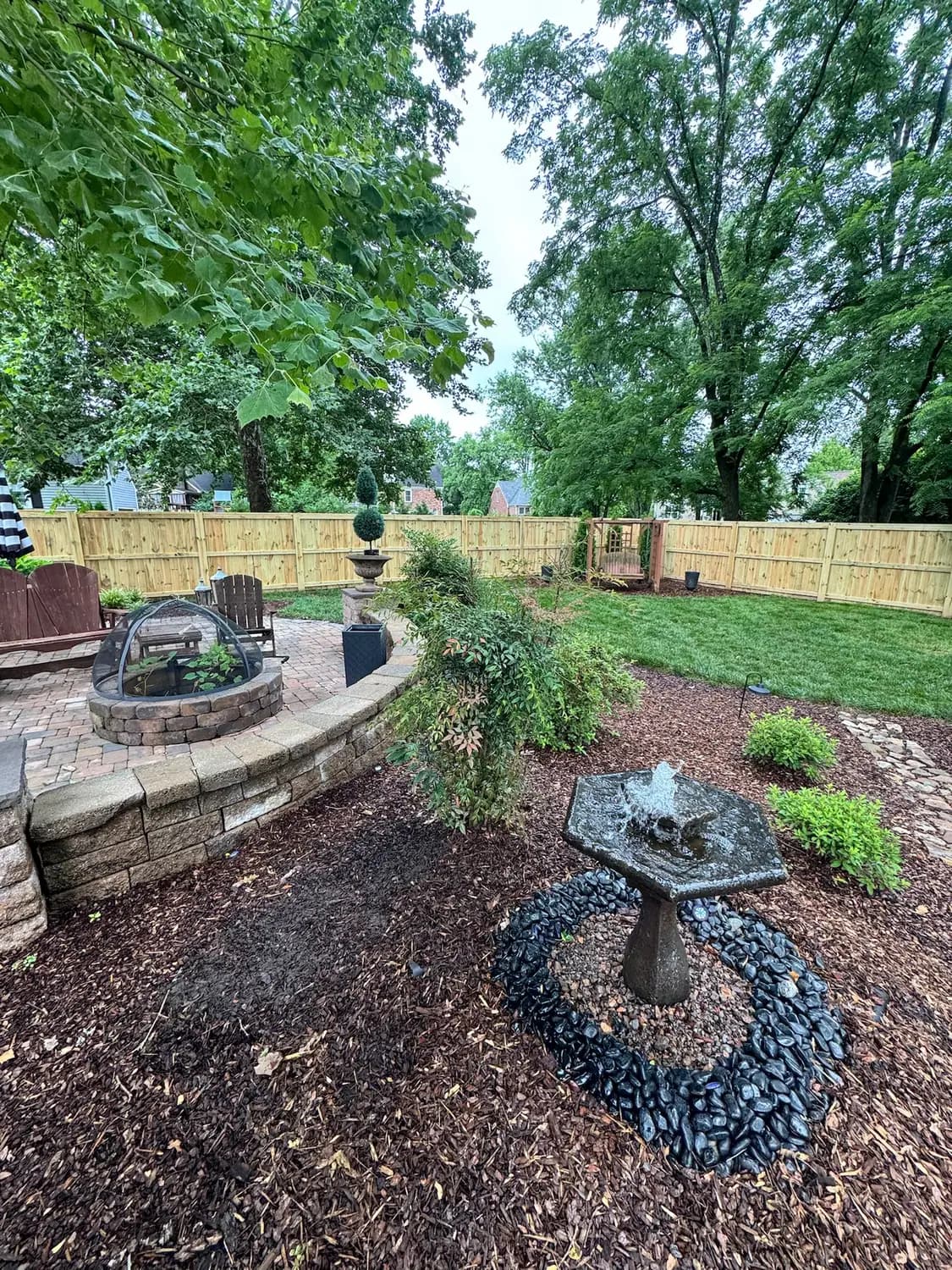
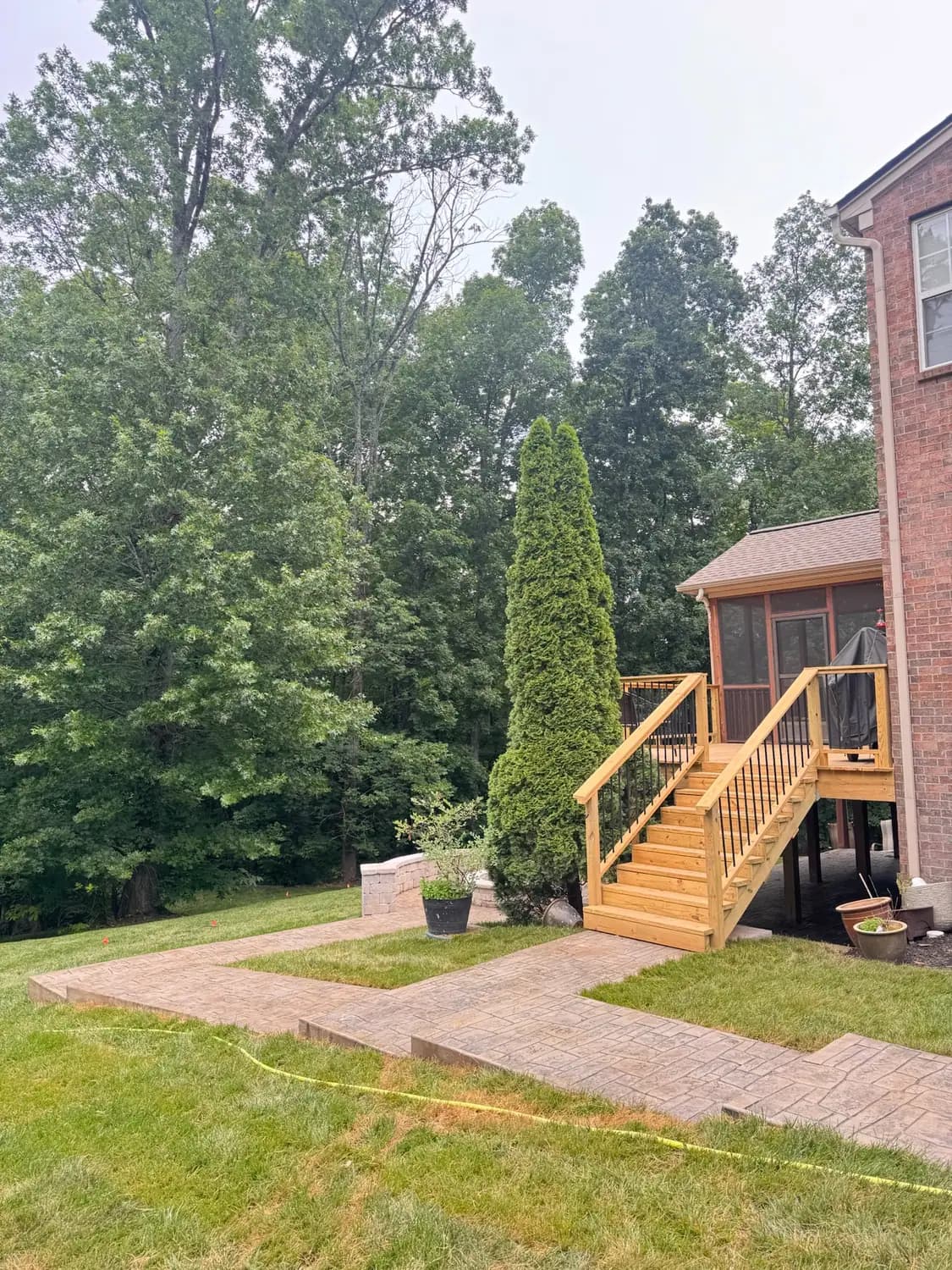
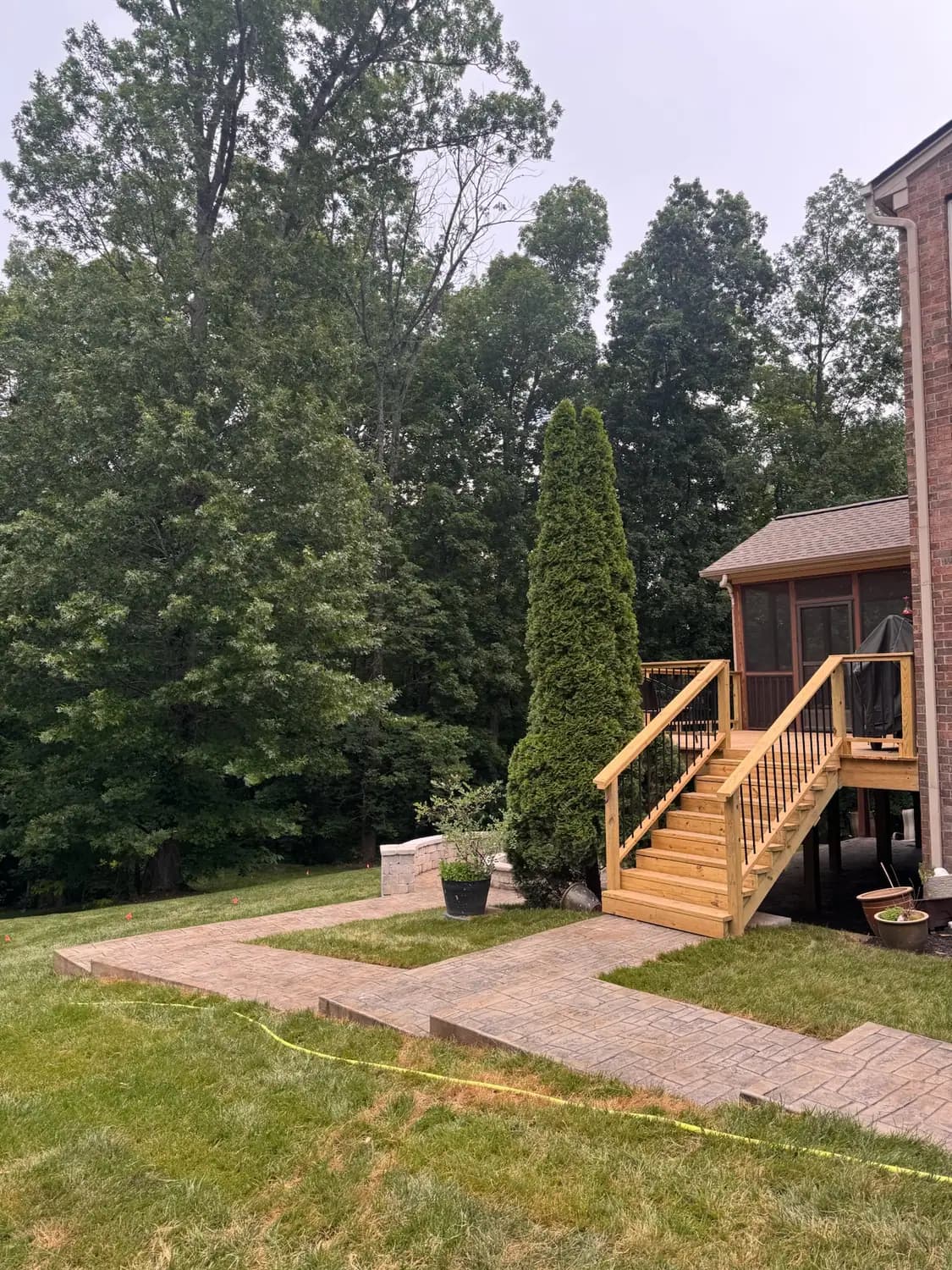
Retaining Walls built by our team.
A proven design-build process
From first conversation to final walk-through, you'll always know exactly what comes next.
- 01
Free Consultation & Estimate
Get expert insight and a no-obligation estimate. We walk the property, talk through what you want, and tell you honestly what is realistic.
- 02
Customized Plan & Design
We bring your vision to life with a plan built for your property, your budget, and the way you actually want to use the space.
- 03
Installation
Professional installation with proper bases, real drainage, premium materials, and attention to the details you will never see.
What's included in our retaining walls service
The answers homeowners ask us most, including what it costs.
How much does a retaining wall cost in Dallas?
Retaining walls in Dallas-Fort Worth run $35 to $95 per square foot of wall face. Wall face means the height times the length, so the surface you actually see. Most home walls land between $5,000 and $28,000. Taller engineered walls and natural stone walls cost more.
| Wall type | Installed cost | Typical use |
|---|---|---|
| Block, under 3 ft | $35 to $50 per sq ft | Terracing beds, small slope changes |
| Block, 3 to 4 ft | $45 to $65 per sq ft | Making a sloped yard usable |
| Engineered, over 4 ft | $65 to $95 per sq ft | Holding a real slope, needs a design |
| Natural stone or boulder | $70 to $120 per sq ft | Larger properties, natural look |
| Concrete with stone facing | $90 to $150 per sq ft | Longest spans and heaviest loads |
A 40 foot wall that is 3 feet tall has 120 square feet of face, so roughly $5,400 to $7,800 in block. The same wall at 5 feet tall needs an engineer and roughly doubles, because of the extra reinforcement and design work.
Why do retaining walls fail in North Texas?
Almost never because of the blocks. Walls here fail for three reasons, and all three are hidden once the wall is finished.
- Water trapped behind the wall. Wet clay pushes hard. With nowhere for that water to go, the pressure builds until the wall bulges, leans, or pulls apart at the joints. This is the most common cause of failure around here.
- No reinforcement into the slope. Above about 3 feet, a wall cannot hold on its own weight. It needs geogrid, a strong fabric laid back into the soil in layers that ties the wall into the hillside. Leaving it out looks fine on day one and shows up by year three.
- A weak base. A packed gravel base is what keeps the wall from settling unevenly. Build straight on our clay, which shrinks in August and swells in May, and the wall moves right along with it.
The clay is the real problem. The black clay soil across Dallas, Collin, and Denton counties swells a lot when it gets wet and shrinks when it dries out. A wall built without planning for that is fighting the ground itself.
What goes into a wall built correctly?
Every wall we build includes the parts you will never see.
- Digging down to solid, undisturbed ground
- A packed crushed stone base, leveled and checked
- Clean washed stone behind the whole wall face, never clay pushed back in
- A drain pipe at the base that runs out to open ground where water can escape
- Geogrid layers tying the wall back into the slope on anything over 3 feet
- Fabric between the drainage stone and the soil so it does not clog over time
- Packing the soil in layers as the wall goes up, not all at once at the end
- Cap stones set and glued down
When does a retaining wall need an engineer?
In most Dallas-Fort Worth cities, a wall over 4 feet tall needs a permit and a design stamped by a licensed engineer. That height is measured from the bottom of the footing, not from the ground you stand on. Stacked walls can trigger the same requirement even when each one is shorter, because the upper wall pushes on the lower one.
Some contractors propose two 3 foot walls to avoid the engineering. With enough space between them that is a fair design. Done just to dodge a permit, you get two walls acting like one tall one without the reinforcement a tall wall needs. Ask which one you are being sold.
We handle the permit and bring in the engineer when your wall needs one.
Which material should you choose?
Block is the workhorse. It comes in a range of colors and textures, the units lock together, and it has a long track record in our soil. Best value for most projects.
Natural stone costs more and takes longer, but nothing else looks like it. It suits older properties in Highland Park, University Park, and Preston Hollow, where new looking block would stand out.
Boulder walls work on bigger lots where the scale fits. We build them most often on acreage in Prosper, Celina, and around The Colony.
Concrete with stone facing is the answer when the span or the load is more than block can handle, or when the wall also has to hold up a patio or pool above it.
Walls and drainage are the same project
A retaining wall changes how water moves across your property. Handled well, that is an opportunity. The same digging that builds the wall can pick up downspouts, catch water running across the yard, and send it away from your foundation.
Handled badly, the wall becomes a dam. We design the wall and the drainage together, because on a clay lot they are one problem.
Where we build
We build retaining walls across Dallas-Fort Worth, mostly where there is real slope to deal with. That means Bluffview and the Bachman Branch area, the sloped lots in The Colony along Lewisville Lake, and the larger properties in Prosper, Westlake, and Colleyville.
Figures are typical Dallas-Fort Worth ranges for planning, not a quote. Your exact investment depends on site conditions, materials, and the scope of your project.
Retaining Walls is usually part of a bigger plan
Most of the time this work goes in alongside a wider project, and it turns out better and costs less when the whole property is designed together rather than added a piece at a time.
Plan your project
Real pricing and straight answers before you commit to anything.

Ready to start your retaining walls project?
Tell us about your property and we will give you honest direction and a fixed price, whether or not you hire us.